When it comes to designing your dream home or remodeling your kitchen or bathroom, one crucial aspect to consider is the choice of cabinets. Cabinets not only provide storage solutions but also significantly impact the overall aesthetics and functionality of the space. While there are pre made or stock cabinets available in the market, opting for custom cabinets offers numerous advantages. In this article, we will explore the reasons why choosing custom cabinets is the best option for your interior design needs.
You can also see examples of our work in the field of customized cabinets.
In general, these seven interior design elements include space, lines, form, color, texture, light and pattern.
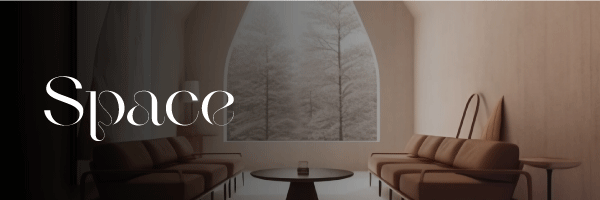
1. Space
Space is the foundation upon which interior design is built. It refers to the physical areas within a room, including its dimensions, layout, and volume. Effective manipulation of space is key to achieving a balanced and functional design. Designers use various techniques to play with space, such as creating the perception of depth through the use of mirrors or using furnishings to zone different areas within a room. For example, in a small studio apartment, the strategic placement of furniture can help divide the space into distinct living, dining, and sleeping areas, providing a sense of organization and functionality.
Case Study: The Open Concept
Open concept designs have gained popularity in recent years, particularly in homes and offices. By eliminating unnecessary walls and partitions, open concept spaces create a sense of spaciousness and encourage social interaction. The removal of barriers, both physical and visual, allows for better flow and connectivity between different areas, promoting a more inclusive and inviting atmosphere.
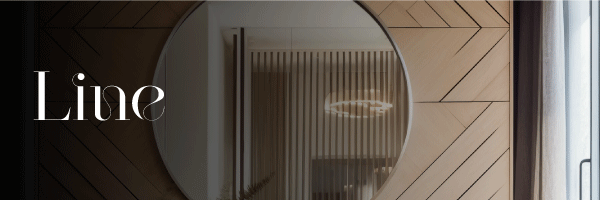
2. Line
Lines are essential in guiding the eye and defining the visual direction within a space. They can be vertical, horizontal, or diagonal, and have a profound impact on how we perceive a room. Vertical lines, for example, have the ability to make a room feel taller, while horizontal lines can make a space appear wider. Diagonal lines, on the other hand, add energy and movement to a design. By incorporating various line styles and directions, designers can create visual interest and balance within an interior.
Case Study: Art Deco
Art Deco, a design style popular in the 1920s and 1930s, is known for its bold use of geometric lines. From the symmetrical patterns on furniture to the iconic zigzag motifs, Art Deco embraced strong, clean lines that exuded elegance and sophistication. This style revolutionized interior design by introducing a new aesthetic that celebrated the power of line.
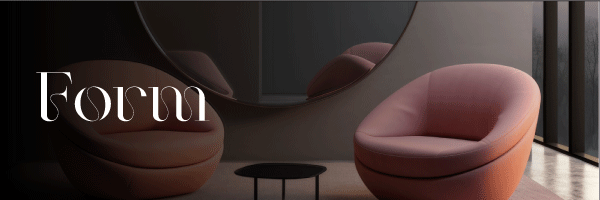
3. Form
Form refers to the shape and structure of objects within a space. It includes everything from furniture to architectural features. By manipulating form, interior designers can create focal points, establish hierarchy, and set the overall mood of a room. The choice of forms can evoke certain emotions or create a sense of harmony and balance.
Case Study: Mid Century Modern
Mid century modern design, which emerged in the mid 20th century, embraced organic and geometric forms. From the flowing curves of furniture to the sleek lines of architectural elements, this design style celebrated the beauty of form. The iconic Eames Lounge Chair, with its molded plywood shell and organic shape, is a prime example of how form can define the character of a space.
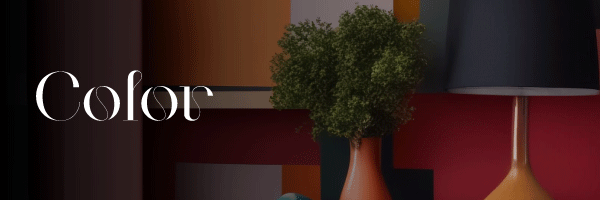
4. Color
Color is a powerful tool that can instantly transform the mood and atmosphere of a room. It can evoke emotions, influence behavior, and even affect physiological responses. Interior designers carefully select color schemes to achieve a desired effect in a space. Different colors can create a sense of warmth, tranquility, or energy, depending on the desired outcome.
Case Study: Scandinavian Design
Scandinavian design often favors a neutral color palette, with shades of white, gray, and beige dominating the interior. This choice of color reflects the region’s long, dark winters and aims to create a sense of light and airiness within a space. Accents of natural hues, such as soft blues or pale greens, are sometimes used to inject a touch of nature into the design.
5. Texture
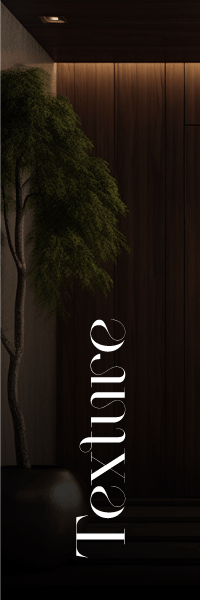
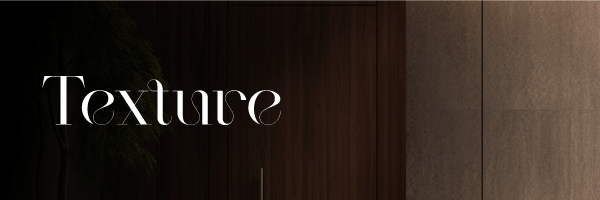
Texture refers to the surface quality of materials or objects within a space. It plays a crucial role in adding depth, visual interest, and tactile appeal. By combining different textures, designers can create a sensory experience that engages multiple senses, making a space more inviting and stimulating.
Case Study: Industrial Design
Industrial design often incorporates rough and raw textures to create a distinct aesthetic. Exposed brick walls, unfinished wood, and metal surfaces are all commonly used to add texture and create a rugged, utilitarian feel. These textures not only provide visual interest but also evoke a sense of history and authenticity.
6. Light
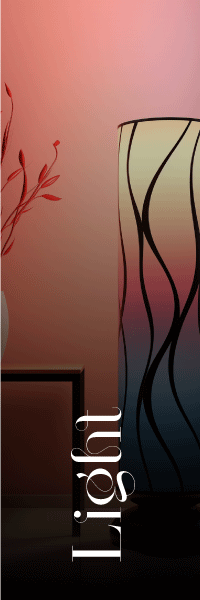
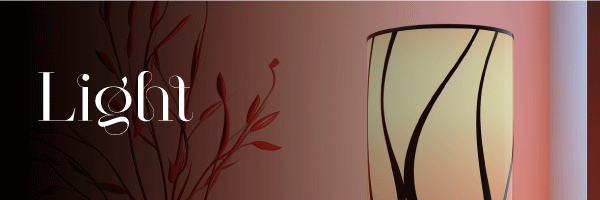
Light is an integral element of interior design, as it has the power to influence how we perceive a space. Natural and artificial lighting can enhance architectural features, highlight focal points, and create ambiance. It is crucial for designers to consider the type, direction, and intensity of light in order to achieve the desired effect.
Case Study: The Salk Institute
The Salk Institute, designed by renowned architect Louis Kahn, exemplifies the importance of light in interior design. The building features large windows that flood the interior with natural light, creating an atmosphere of openness and serenity. The deliberate play of light and shadow enhances the architectural details, making the space visually captivating.
7. Pattern
Patterns add visual interest and personality to a space. They can be found in textiles, wallpapers, flooring, or decorative elements. By carefully selecting and combining patterns, designers can create a cohesive and visually appealing interior. Patterns can be used to enhance a theme, create contrast, or add a sense of rhythm and movement to a space.
Case Study: Moroccan Design
Moroccan design is renowned for its intricate and vibrant patterns, often seen in textiles, tiles, and decorative accessories. The combination of geometric shapes, arabesque motifs, and bold colors creates a distinctive visual identity. These patterns not only showcase the rich cultural heritage of Morocco but also infuse a sense of cultural diversity into the interior.
Conclusion
The seven elements of interior design serve as essential tools for designers to transform spaces into functional and visually captivating environments. By understanding and harnessing the power of space, line, form, color, texture, light, and pattern, designers can create harmonious and impactful interiors. Each element contributes to the overall composition and ambiance of a space, working together to create an immersive experience. So, the next time you step into a well designed interior, take a moment to appreciate how these elements have come together to create a truly remarkable space.
Remember, before you embark on your own interior design project, it’s important to consider these seven elements and how they can be applied to your own space. Whether you’re redesigning your living room or renovating an office, incorporating these elements can help you create a space that is not only visually stunning but also functional and tailored to your needs.
One of our services is interior design in your style by observing all design principles
You can contact us for implementation and design
You can also click here to see some examples of our Portfolio.