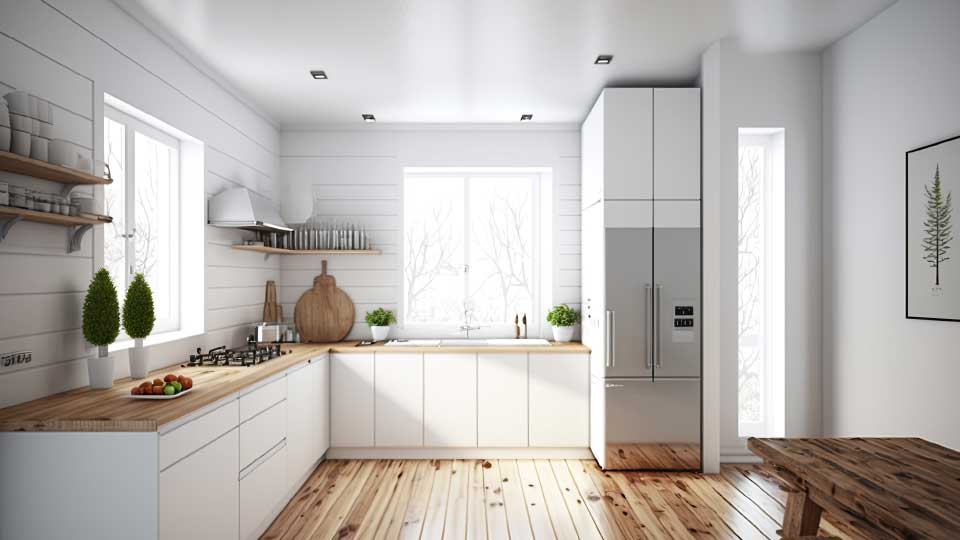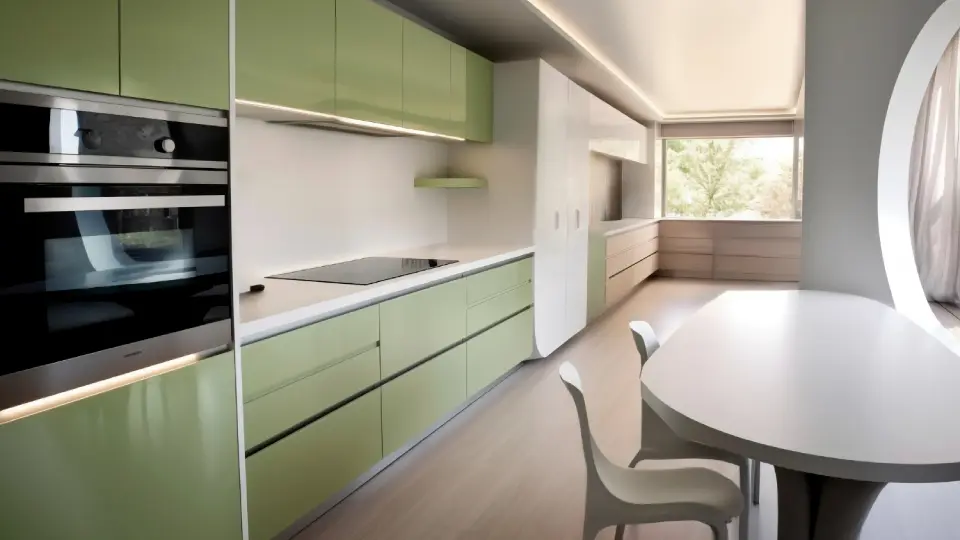

HDF cabinets are becoming increasingly popular in modern kitchen designs. High-Density Fiberboard (HDF) is a type of engineered wood product that offers several advantages over natural wood, making it a preferred choice for kitchen cabinet doors.
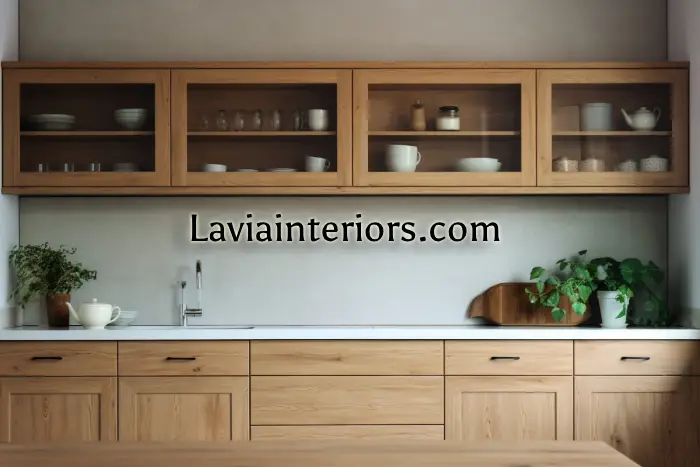
What is HDF ?
HDF, or High-Density Fiberboard, is a type of engineered wood product known for its exceptional strength and durability. Made from compressed wood fibers, HDF boasts a smooth, uniform surface that is perfect for painting or veneering. It’s denser and more robust than MDF (Medium-Density Fiberboard), making it an ideal choice for high-traffic areas and demanding applications like flooring, cabinetry, and furniture. Its resistance to warping and cracking ensures a long-lasting, reliable performance, making HDF a popular material in both residential and commercial settings.
Benefits of Using HDF Cabinets
By understanding the advantages and benefits of using HDF cabinets, you can make a better choice for constructing or renovating your kitchen space.
The most significant and valuable benefits of HDF are explained below.
- Resistant to Warping, Cracking, and Shrinking
Unlike natural wood, HDF does not easily warp, crack, or shrink. This makes it ideal for use as cabinets in kitchen environments where temperature and humidity levels can fluctuate.
- Sturdy and Reliable
The homogenous composition of HDF ensures that cabinet doors remain sturdy and reliable over time.
- Design Flexibility
HDF can be molded into various designs and styles. It can be painted or laminated to match any kitchen decor, providing a seamless and aesthetically pleasing finish.
- Customization
HDF can be easily customized to create intricate designs or sleek, minimalist styles, catering to a wide range of tastes.
- Affordable: HDF is a cost-effective alternative to natural wood, offering similar, if not superior, performance at a lower price point. This makes it an economical choice for homeowners looking to renovate their kitchens without breaking the bank.
- Low Maintenance:
HDF surfaces are easy to clean and maintain, requiring minimal effort to keep them looking new. This is particularly beneficial in a kitchen setting where spills and stains are common. - Sustainable: HDF is made from recycled wood fibers, making it an environmentally friendly option. Using HDF cabinets helps in reducing the demand for natural wood, thus contributing to forest conservation.
- Termite Resistance: HDF is less prone to termite attacks compared to natural wood. This ensures a longer lifespan for kitchen cabinets.
- Homogenous Composition
The uniform structure of HDF means there are no weak spots, which enhances its overall durability and longevity.
- Smooth Finish
HDF provides a smooth, consistent finish that can enhance the overall look of the kitchen. It is ideal for achieving a polished, high-end appearance.
- Trend Adaptability
HDF allows for the creation of trendy designs, such as handle-less cabinet doors or matte finishes, which are currently popular in modern kitchen cabinet designs.
In summary, HDF is a highly durable, versatile, cost-effective, low-maintenance, eco-friendly, and aesthetically appealing material for kitchen cabinets. Its numerous benefits make it a preferred choice for homeowners and designers looking for both functionality and style.

Is HDF waterproof?
High-Density Fiberboard (HDF) is significantly more moisture-resistant than many other types of engineered wood products. Through industrial and specialized processing, HDF can undergo treatments that greatly enhance its water resistance. These treatments include applying special coatings or sealants, which help to protect the material from moisture damage. Compared to other wood products, HDF already possesses a higher level of moisture resistance. However, following certain best practices, such as ensuring proper sealing and avoiding prolonged exposure to water, can further improve its durability and longevity in moist environments. This makes HDF a reliable and robust choice for kitchen cabinets and other applications where occasional moisture exposure is expected.
Durability of the HDF cabinet
HDF (High-Density Fiberboard) cabinets are renowned for their durability and longevity. Typically, well-maintained HDF cabinets can last anywhere from 10 to 20 years, depending on various factors such as the quality of the material, the manufacturing process, and the conditions in which they are used. The dense composition of HDF provides resistance to warping and cracking, making it a preferred choice for areas with fluctuating temperatures and humidity. Regular cleaning, avoiding excessive moisture, and ensuring proper installation can significantly extend the lifespan of HDF cabinets, ensuring they remain a stylish and functional part of your home for many years.
Trends in HDF Kitchen Cabinets
When it comes to design trends, HDF cabinets offer endless possibilities. From sleek, minimalist designs to more intricate, traditional styles, HDF can cater to a wide range of tastes. Popular trends include matte finishes, which provide a modern look, and textured surfaces that add depth and character to the kitchen space. Additionally, HDF allows for the creation of seamless, handle-less cabinet doors, which are currently in vogue for contemporary kitchen designs.
The best kitchen designer [Toronto-North york] can help you to choose the most suitable HDF cabinet design for your space.