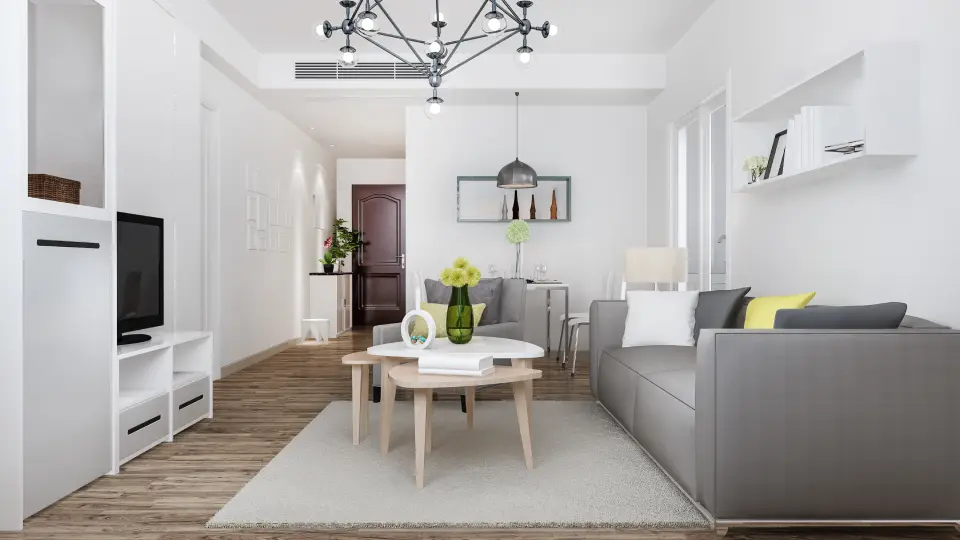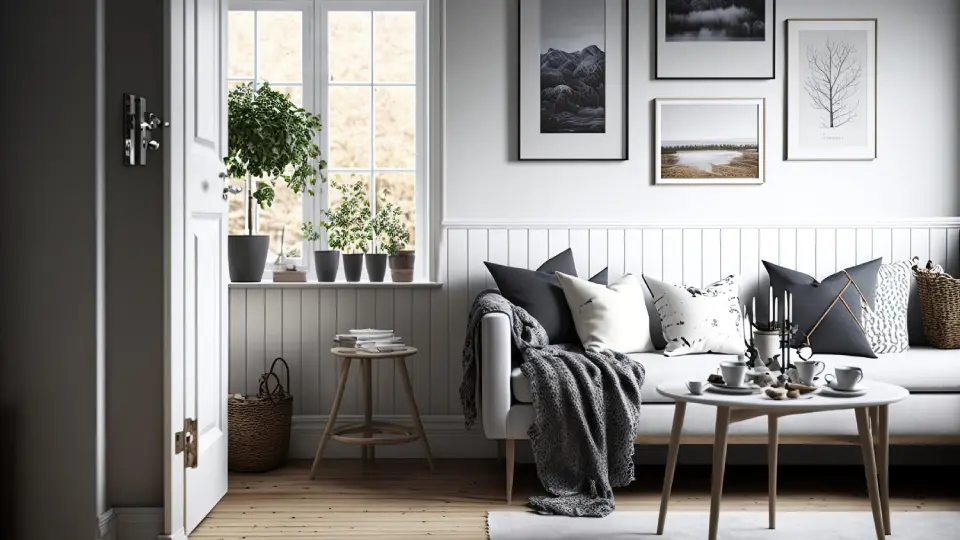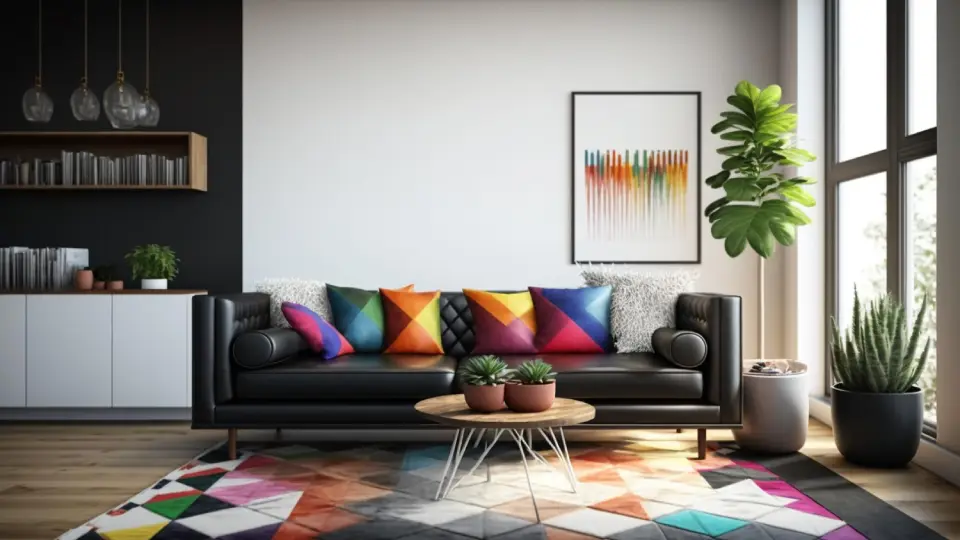

Your living room is more than just a space for sitting; it’s the heart of your home, where memories are made, guests are welcomed, and relaxation happens. When thinking about living room design ideas, it’s essential to balance aesthetics with functionality. This article will walk you through everything you need to know to transform your living room into a stylish yet practical space, tailored to your needs.
Living room interior design
Before diving into design, it’s crucial to assess your living room’s size and layout. Every room has unique dimensions that affect what will and won’t work design-wise.
Assessing the Size and Layout of Your Living Room
Is your living room spacious or cozy? Square or rectangular? Open-plan or sectioned off? Understanding these factors will help guide your design choices. In smaller rooms, efficient use of space is paramount, while larger rooms provide more flexibility but may need careful zoning to avoid feeling too open.
How Space Affects Design Choices
The layout of your living room dictates everything from furniture placement to color selection. Smaller spaces benefit from lighter colors and compact furniture, while larger spaces can handle bolder designs and more substantial furniture pieces.
Choosing a Living Room Style
With endless possibilities for living room styles, narrowing down your options can be overwhelming. The key is to find a style that complements your space and personality.
Modern Living Room Design Ideas
For a modern look, think sleek furniture, minimal clutter, and a neutral color palette with pops of bold colors. Clean lines and metallic accents often define this style, creating a fresh and contemporary feel.
Best Idea For Living Room design
The best way to choose a style is to start with your existing architecture and furniture. Do you have a classic space with lots of character? A traditional or eclectic style may work well. If your space is newer or more minimalist, a modern or industrial design might be more fitting.
1. Optimizing Space in Small Living Rooms
Small living rooms can be a challenge, but with the right strategies, you can make the most of every square inch.
For example, using the multifunctional furniture is a good idea. Think of sofas with built-in storage, coffee tables that double as desks, or ottomans that can serve as both seating and storage. This allows you to maximize functionality without overcrowding the room.
2. Smart Storage Solutions
Shelving units that go vertical, built-in cabinets, and under-sofa storage are all great ways to keep clutter at bay while maintaining a clean and stylish aesthetic. In smaller spaces, every nook and cranny counts, so think creatively about storage options.
3. Using Mirrors
Mirrors are a classic trick for making a room feel larger. By reflecting light and visually expanding the space, they’re a must-have in compact living rooms. Place them strategically opposite windows to maximize the effect.
Key Elements For Living Room Design
No living room is complete without the right furniture and decor elements to pull the space together.
1. Coffee Table and TV Console
The coffee table and TV console are the workhorses of the living room. Choose a coffee table that offers both style and function—one that provides enough surface area for drinks and snacks while complementing the overall design. A well-designed TV console can tie together the media area while providing essential storage for remotes, gaming systems, and other electronics.
2. Functional Shelving and Cabinets for Storage
Shelving and cabinets are more than just storage solutions; they’re an opportunity to showcase your personality. Whether displaying books, plants, or curated decor items, the right shelving can enhance the room’s aesthetic while keeping it organized.
3. Accent Chairs and Side Tables
Accent chairs and side tables add character and functionality to your living room. They provide additional seating and surfaces while allowing you to introduce new textures, colors, or patterns into the space.
4. Maximizing Natural Light
Natural light can make or break a living room, so make sure you’re making the most of it.
Consider the direction your windows face. North-facing rooms benefit from warmer tones to counteract the cooler natural light, while south-facing rooms may require light, airy fabrics to keep the space from feeling too warm.
Lighter fabrics and sheer curtains can help enhance the natural light, while heavier drapes are perfect for creating a cozier, more intimate atmosphere in the evening. Blinds can be a more modern choice, offering clean lines and easy adjustability.
5. Color Schemes and Textures
Color and texture are powerful tools in interior design, helping to set the mood and style of your living room.
Your color scheme should reflect both your personal taste and the function of the room. Softer hues like greys and pastels create a calming environment, while bolder shades like navy or emerald can make a more dramatic statement.
6. Adding Texture with Rugs & Cushions
Texture adds depth and interest to a room. Whether it’s a plush rug underfoot, a cozy throw draped over the sofa, or a variety of cushions in different fabrics, these elements help make the space feel lived-in and inviting.
7. Tech Integration in the Living Room
Incorporating technology seamlessly into your living room design is essential in today’s digital age.
From sound systems to smart lighting, modern living rooms are packed with tech. The challenge is integrating these elements without sacrificing style. Hide unsightly cords with cable management solutions, and choose furniture that can accommodate your tech needs.
8. Creating a Functional TV and Media Area
The TV area is often the centerpiece of the living room, so it’s important to make it both functional and stylish. Choose a TV console that offers ample storage and fits your space, and arrange seating to ensure a comfortable viewing experience for everyone.
Large Living Room Design Ideas
While larger living rooms offer more design freedom, they come with their own set of challenges.
In a large room, creating distinct zones can make the space feel more intimate. For example, you might have a lounging area with a sofa and TV, a reading nook with an armchair and bookshelf, and a workspace with a small desk and chair. Rugs can help define these areas without the need for walls.
1. Creating a Cozy Atmosphere
If you have plenty of space, but you still want your living room to feel cozy and inviting, you can think about adding layers of texture with soft rugs, throws, and cushions, as well as using warm lighting to create a more intimate ambiance.
2. Furniture Placement Tips for Larger Areas
In larger rooms, floating furniture away from the walls can help create a more balanced and dynamic layout. Consider positioning your seating in the center of the room, with additional pieces like armchairs or side tables filling in around the edges.
Implement your Living Room Design Ideas
Your living room should reflect who you are, so don’t be afraid to personalize it.
Making the Space Truly Yours!
At the end of the day, your living room should be a space where you feel comfortable and at home. Don’t be afraid to break design “rules” if it means creating a space that truly reflects your style and needs.
How Can an Interior Design Consultant Help?
Sometimes, achieving the perfect living room requires professional help.
An interior designer can help you navigate the complexities of space planning, color schemes, and furniture selection. They bring expertise and experience that can save you time and money in the long run.
How Professionals Can Transform Your Living Room
Whether you’re starting from scratch or simply refreshing your current design, a professional can offer creative solutions and fresh perspectives to help you achieve your dream living room.
Conclusion
Designing the perfect living room is a balance between functionality, style, and personal expression. By understanding your space, choosing the right style, and incorporating essential elements like multifunctional furniture and smart storage solutions, you can create a living room that is both beautiful and practical. And remember, don’t hesitate to seek help from an interior design consultant if you need guidance.