

Choosing the right materials for house design is crucial. Whether you’re renovating your kitchen, updating your living room, or building a new home from scratch, the materials you pick will significantly impact the aesthetics, functionality, and durability of your space. In this guide, we’ll delve into the importance of picking down materials and help you choose the best ones for your interior design.
Types of Materials for Interior Design
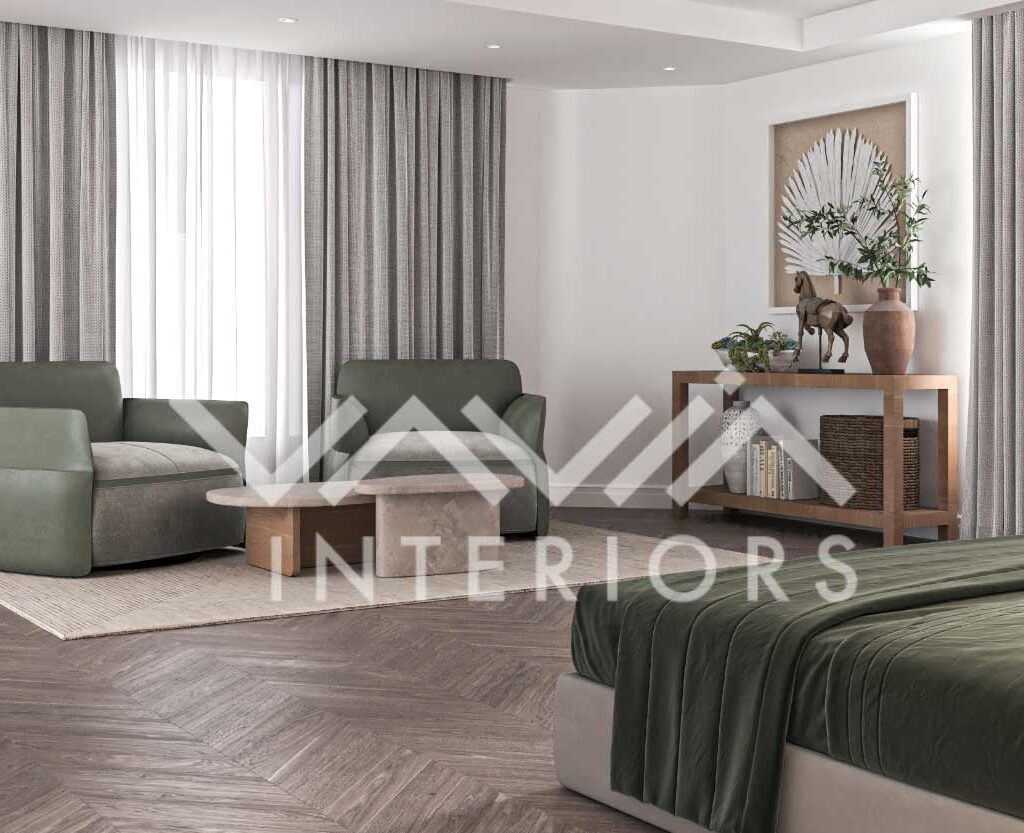
Materials used in interior design vary widely, each bringing its unique qualities to the table. The right materials can elevate the look of your home, provide longevity, and meet your specific needs, whether for cabinetry, flooring, or decorative elements. Let’s explore the key materials to consider.
MDF (Medium Density Fiberboard)
What is MDF?
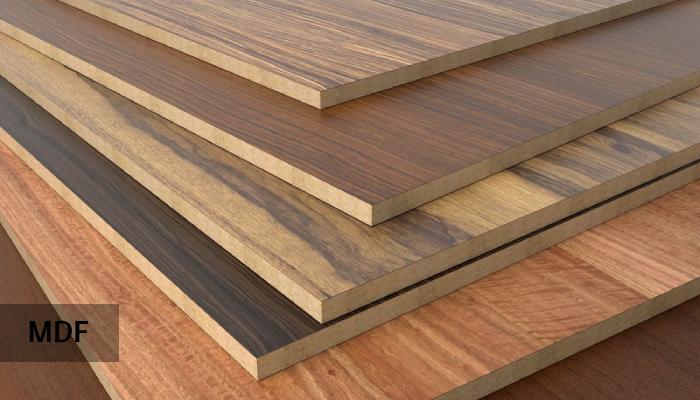
Medium Density Fiberboard (MDF) is an engineered wood product made by breaking down hardwood or softwood residuals into wood fibers, combining it with wax and resin, and forming panels by applying high temperature and pressure.
Advantages of Using MDF
MDF is known for its smooth surface, making it an excellent choice for painted finishes. It’s also relatively affordable and easy to work with, making it a popular choice for DIY projects and custom furniture.
Ideal Applications in Home Design
MDF is ideal for interior cabinetry, shelving, and furniture. Its smooth surface makes it perfect for intricate cutting and detailed designs, often seen in decorative moldings and trims.
HDF (High Density Fiberboard)
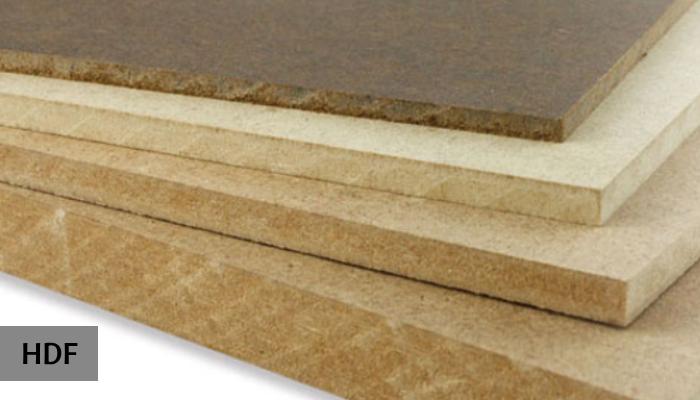
High Density Fiberboard (HDF) is similar to MDF but denser and stronger. It’s made from highly compressed wood fibers, offering superior durability.
Benefits Over MDF
If you are choosing the material for interior design of your house and you want to measure HDF compared to MDF, you should know that HDF provides higher durability and resistance to damage, making it suitable for high-traffic areas. It also offers a better finish for detailed work.
Best Uses for HDF in Home Design
HDF is best used in flooring, wall panels, and any application where higher strength and moisture resistance are needed. It’s also a great choice for doors and furniture that require a durable surface.
High Gloss Materials
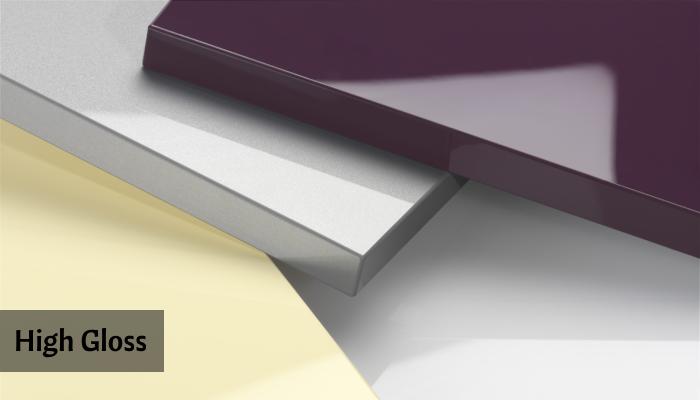
High gloss materials are known for their shiny, reflective surfaces. These materials can make spaces look brighter and more modern.
Pros and Cons
High gloss finishes are easy to clean and give a luxurious feel to any space. However, they can show fingerprints and scratches more easily than matte finishes.
Popular Uses in Modern Interiors
High gloss materials are popular in kitchens for cabinetry and countertops, as well as in bathrooms and contemporary living spaces to add a sleek, polished look.
High gloss can be considered as a material that is a very beautiful and durable choice in the interior design of the house.
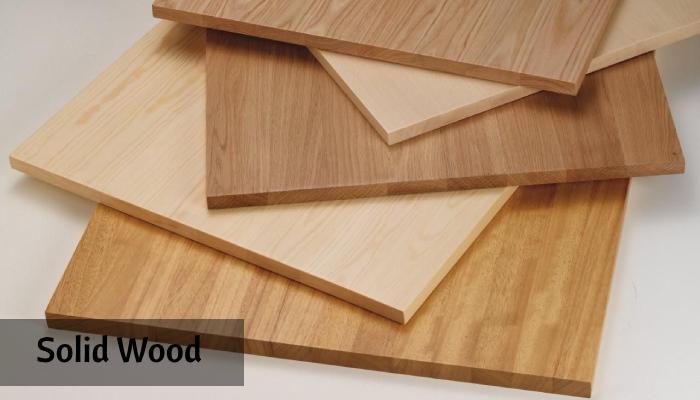
Solid Wood
Do you Know What Makes Solid Wood Unique?!
Solid wood is a natural, traditional material known for its strength and beauty. Each piece has unique grain patterns and color variations.
Advantages of Solid Wood
Solid wood is durable, long-lasting, and can be refinished multiple times. It also adds a warm, natural aesthetic to any space.
Best Places to Incorporate Solid Wood
Solid wood is perfect for flooring, cabinetry, furniture, and structural elements like beams and posts. It’s especially valued in areas where its natural beauty can be showcased.
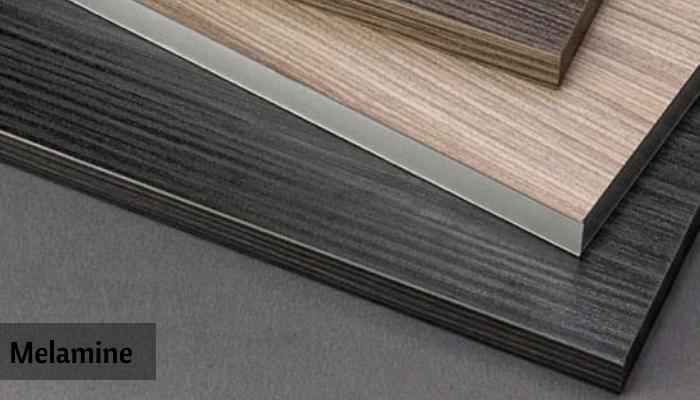
Texture Melamine
Texture melamine is a type of laminate finish applied to particleboard or MDF. It mimics the look and feel of real wood or stone at a lower cost.
Benefits and Drawbacks
Texture melamine is durable, easy to clean, and available in a wide range of styles. However, it doesn’t have the same depth and richness as real wood.
Suitable Applications in Home Design
This material is great for cabinetry, closets, and shelving. It provides a cost-effective way to achieve a high-end look without breaking the bank.
Choosing Between High Gloss and Texture Melamine
High gloss offers a sleek, modern look and is easy to clean, but it can show imperfections more readily. Texture melamine provides a more traditional look with the benefit of easy maintenance and a variety of styles.
How do I choose the right material for design?
In any case, seeking consultation for interior design from an experienced and skilled team can provide you with the best guidance for choosing interior design materials.
Additionally, considering a few essential factors when choosing the right materials can provide you with a proper perspective.
Factors in choosing interior design materials
Consider your design goals and lifestyle needs. If you want a modern, high-shine finish, go with high gloss. For a more practical, versatile option, texture melamine is a great choice.
Cost Considerations
MDF and texture melamine are generally more affordable, making them good choices for budget-conscious projects. HDF and high gloss materials tend to be mid-range, while solid wood is often the most expensive due to its natural quality and longevity.
Consider the long-term value and maintenance costs. While solid wood may be pricier upfront, its durability can make it more cost-effective over time.
Durability and Maintenance
Solid wood and HDF are highly durable, suitable for areas that see a lot of use. MDF and texture melamine are durable but best used in less demanding applications. High gloss surfaces need careful handling to maintain their appearance.
Maintenance Requirements
Solid wood requires periodic refinishing, HDF and MDF need minimal maintenance, and high gloss materials must be kept clean to avoid showing smudges. Texture melamine is low-maintenance and easy to clean.
Eco-Friendliness
Solid wood from sustainable sources is eco-friendly. MDF and HDF are made from recycled wood fibers, making them environmentally friendly options. High gloss and texture melamine’s impact depends on the manufacturing process and materials used.
Popular Trends in Material Use
High gloss finishes are trending in modern, minimalist designs. Texture melamine is popular for its versatility and affordability. Solid wood continues to be a favorite for its timeless appeal and natural beauty.
Expect to see more eco-friendly materials and finishes that combine aesthetics with sustainability. Advances in engineered wood products may also lead to new, innovative options.
Expert Tips for Choosing Materials
Interior designers recommend considering the overall style of your home and how each material complements it. Balance aesthetics with practicality to ensure your choices meet both design and functional needs.
Everything you should Know about Home Renovation in Toronto
Common Mistakes to Avoid!
Avoid choosing materials based solely on looks. Consider durability, maintenance, and how they fit into your lifestyle. Skimping on quality can lead to higher costs in the long run due to repairs and replacements.


Reece
Good Data About All Materials For House Design!
Joe
It was very useful, thank you
Ronald
It was a complete article
Good