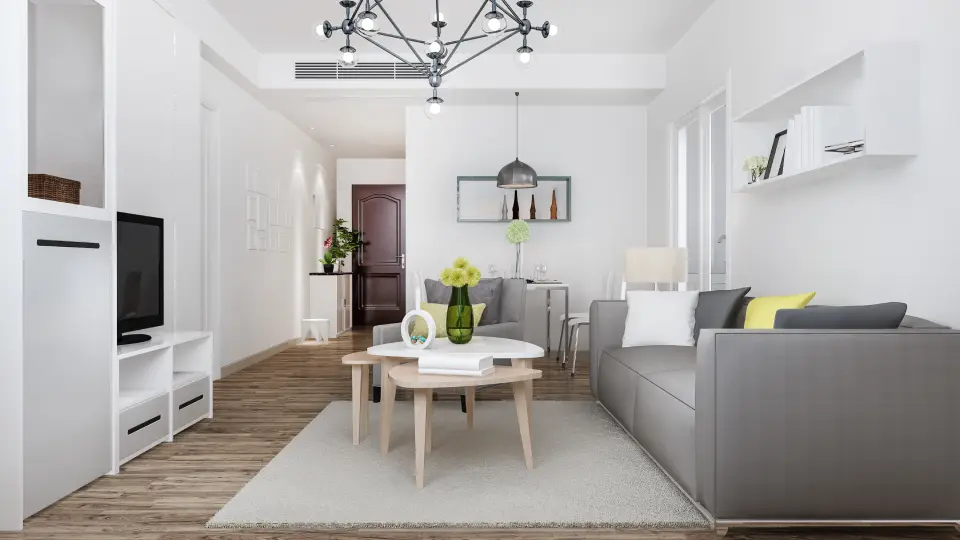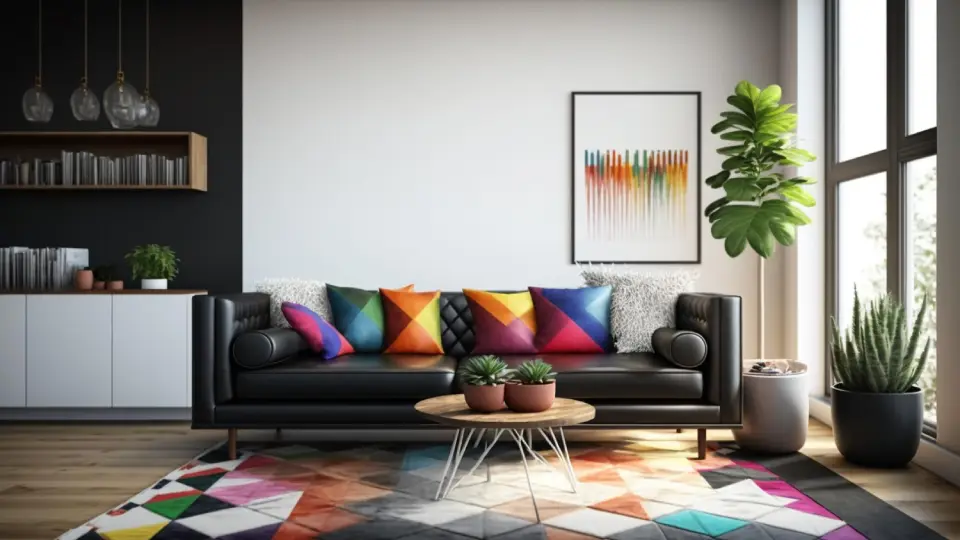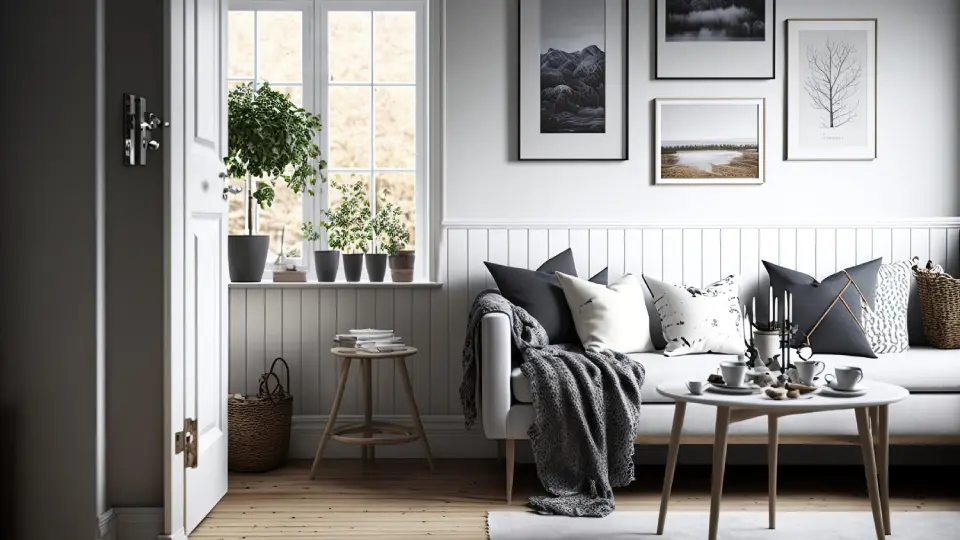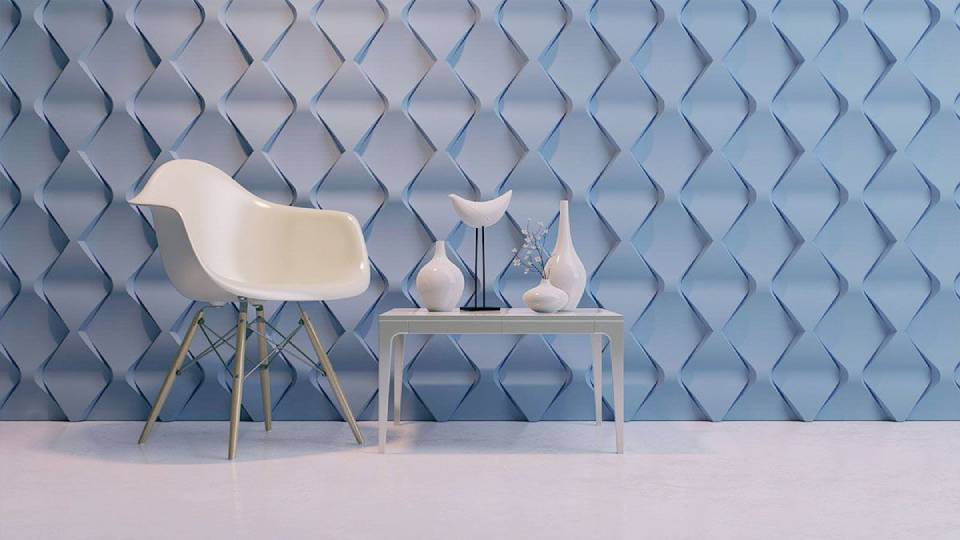

Texture is a fundamental element in interior design that often gets overlooked. While color, furniture, and layout are crucial aspects, texture adds depth, dimension, and visual interest to a space. Understanding how to incorporate texture effectively can transform a room from bland to breathtaking. In this guide, we’ll delve into the significance of texture in interior design and provide practical tips on how to utilize it to enhance your living spaces.
Why Texture Matters: Texture refers to the surface quality of materials and objects, encompassing both visual and tactile elements. It can be rough, smooth, soft, hard, glossy, matte, or anything in between. Incorporating various textures into your interior design scheme adds richness and complexity, stimulating the senses and creating a more dynamic environment.
Key Ways to Use Texture in Interior Design
- Layering Textiles: One of the simplest ways to introduce texture is through textiles such as rugs, throws, cushions, and curtains. Opt for fabrics with different tactile qualities, such as plush velvet, chunky knit, sleek silk, or natural linen. Layering these textiles adds depth and warmth to a space while inviting touch and creating visual interest.
- Mixing Materials: Experiment with a diverse range of materials when selecting furniture, flooring, and decorative elements. Combining wood, metal, glass, stone, and ceramics adds contrast and depth to your interiors. For example, pair a smooth marble coffee table with a rustic wooden sideboard or juxtapose a sleek leather sofa with a fluffy sheepskin rug.
- Incorporating Architectural Elements: Architectural features such as exposed brick walls, wooden ceiling beams, or textured wall panels can instantly add character and dimension to a room. Embrace the existing texture of your space or introduce architectural elements to create visual focal points.
- Embracing Natural Elements: Bringing elements from nature into your home adds texture while fostering a sense of tranquility and connection to the outdoors. Incorporate natural materials like stone, wood, rattan, and woven fibers to evoke a sense of warmth and authenticity. Live plants and botanical prints also contribute to a tactile and visually appealing environment.
- Playing with Light and Shadow: Texture isn’t just about physical touch—it also affects how light interacts with surfaces, creating shadows and highlights. Experiment with lighting to accentuate different textures in your space. Use directional lighting to cast shadows on textured walls or install fixtures with dimmer switches to control the intensity of light and shadow.
- Considering Scale and Proportion: When incorporating texture, consider the scale and proportion of your space and furnishings. Balance larger, bolder textures with smaller, more delicate ones to create harmony and visual interest. For example, pair a chunky knit throw with sleek leather upholstery or a smooth marble countertop with textured ceramic accessories.
- Maintaining Balance: While incorporating texture adds depth and visual interest, it’s essential to maintain balance and avoid overwhelming the space. Aim for a mix of textures that complement each other without competing for attention. Consider the overall aesthetic you want to achieve and use texture strategically to enhance the ambiance.
Conclusion
Texture plays a vital role in interior design, enriching spaces with depth, dimension, and visual interest. By incorporating a variety of textures—from textiles and materials to architectural elements and lighting—you can create a more dynamic and engaging environment. Experiment with different textures to find combinations that reflect your personal style and elevate the overall design of your home. With a thoughtful approach, texture becomes a powerful tool for transforming ordinary spaces into extraordinary ones.